Crowd Work
On January momentum and the spacial science of shared goals

This year, my holiday season did not go as planned.
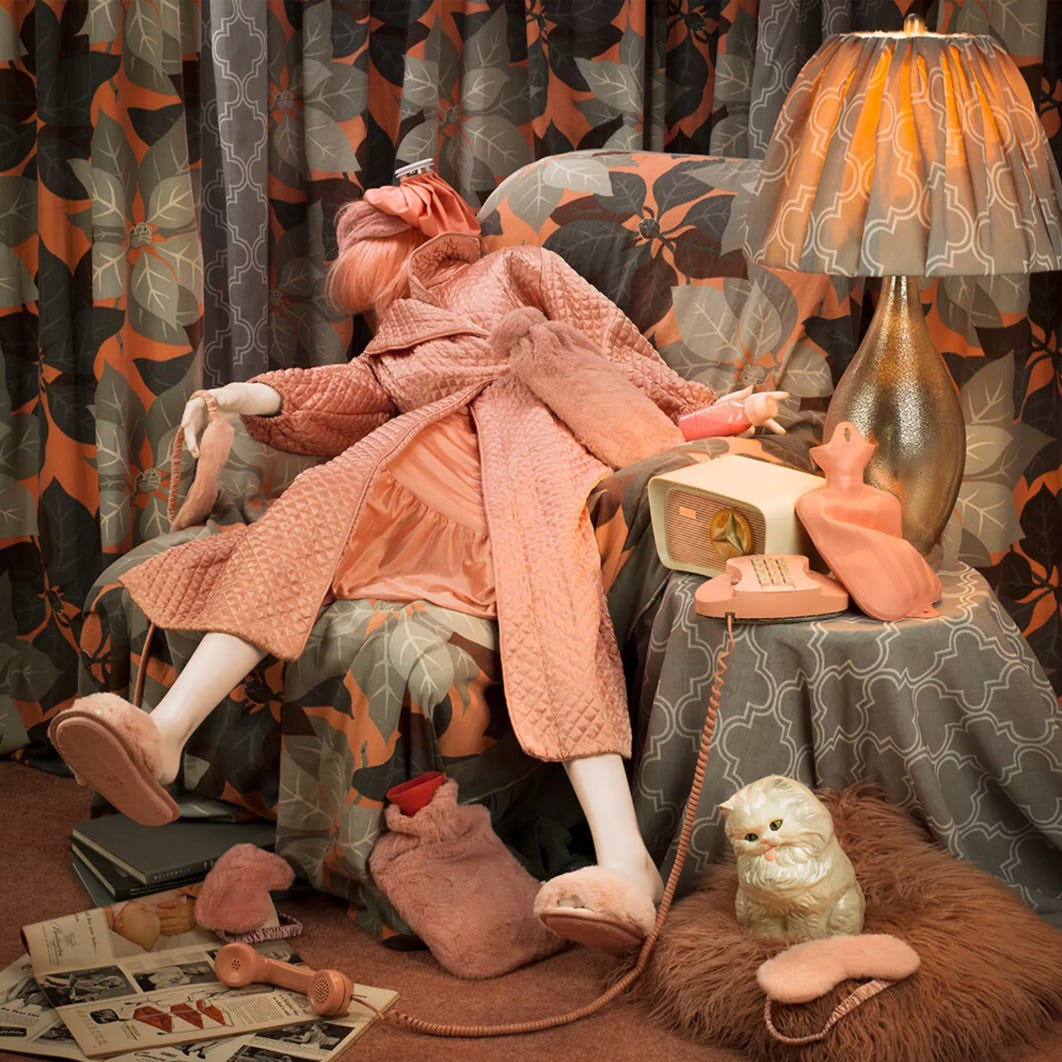
I pictured movement—late nights that became early mornings, long meals, easy laughter, the kind of shared time that stitches a year back together. Relief, mostly. That sense that the page was finally turning on a kind of intense 2025.
Instead, I was flattened by a particularly vicious cold turned bronchitis. Fourteen days of solitude. My social circle reduced to tissues, cough drops, and a near-religious loyalty to mentholated vapor rub. Somewhere around day five, The Americans on Hulu had me convinced I could defect into Cold War espionage—a side effect of boredom, congestion, and too much uninterrupted screen time.

I even missed Christmas itself, and my favorite holiday ritual: a Phish show at Madison Square Garden. No phones, just good music, good vibes, a stadium full of phriends vibrating at the same frequency. I wanted the crowd, the sound, the collective lift.
What I missed most wasn’t the event itself, but the room—the way collective energy moves through well-loved spaces and holds us up together. And if I’m honest, for the first time, I am excited for the surge of crowds everywhere in January—especially in the wellness rooms I tend to inhabit most.
Design for Crowds: The Invisible Choreography
When a crowd is held by a well-designed space, the room becomes a nervous-system partner.
Some architects and designers build explicitly for this:
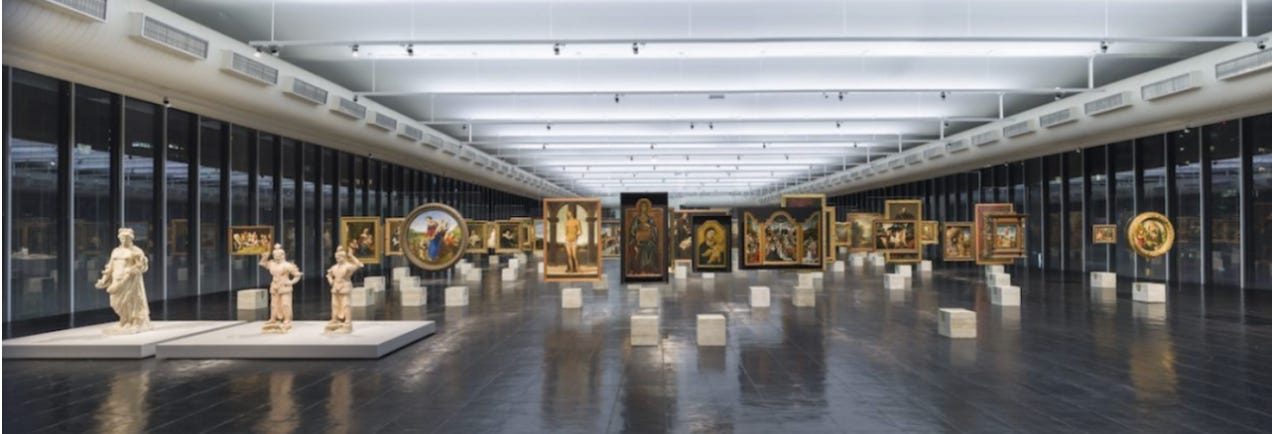
Lina Bo Bardi designed museum rooms that refuse hierarchy, letting crowds move without bottlenecking. Art floats, people roam, autonomy preserved.
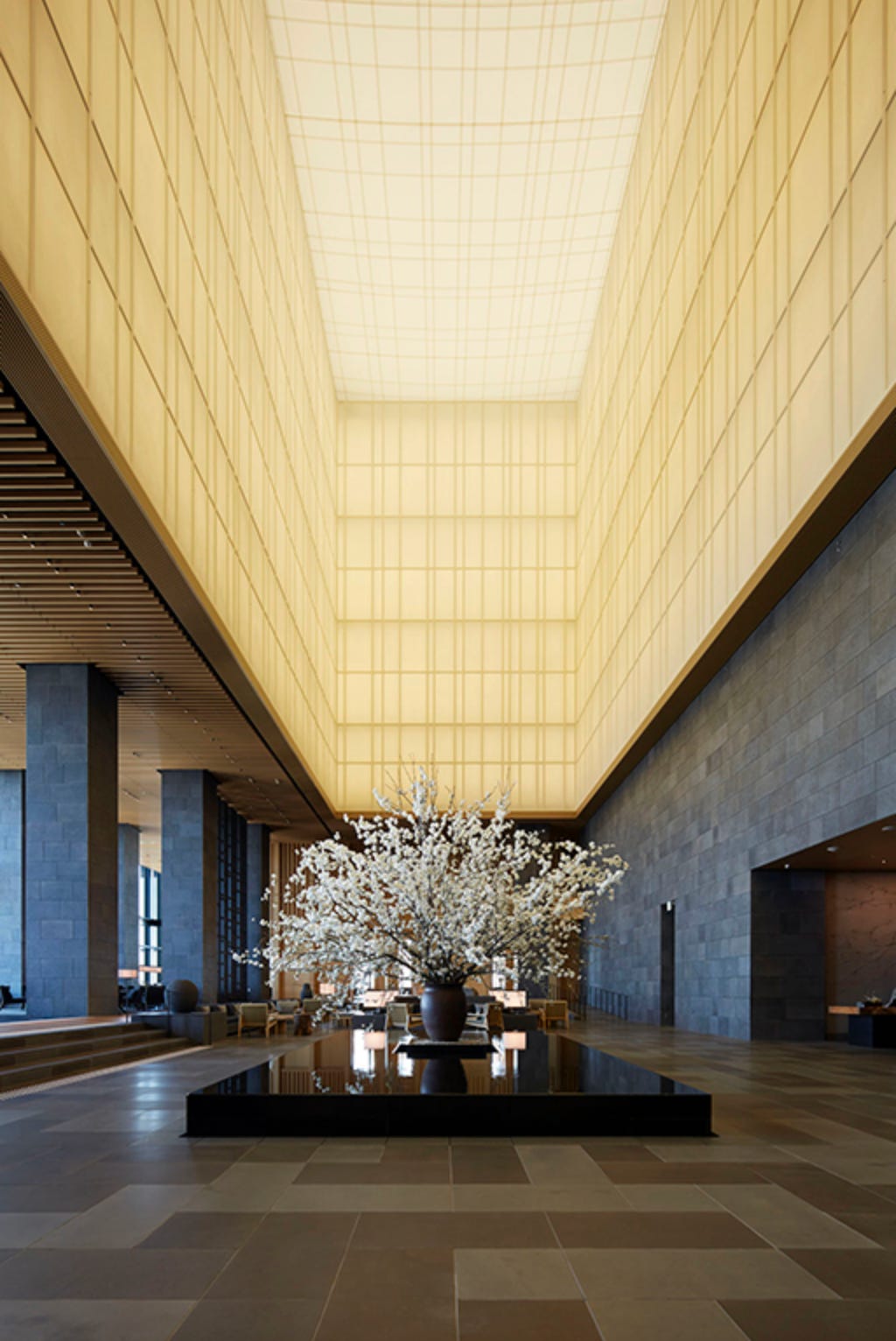
Kerry Hill approached hotel lobbies like reading rooms for the collective body—pathways easy to parse, materials that warm the eye, light that lands gently. His rooms never rushed a group forward; they slowed a group down enough to feel themselves inside the experience.
Scale matters. So does flow. So does sound. So does light.
These are not aesthetic trends.
They are behavioral decisions encoded in space.
Crowd Psychology, Resolved
Crowds don’t just gather around goals in January—they generate momentum around the possibility of reinvention. Psychologist Elaine Aron observed that we absorb shared experiences more comfortably when sensory input feels readable and warm. The nervous system decodes demand before intention is spoken, deciding if a moment feels safe or overwhelming.
Neuroscientist Beau Lotto adds, “Context shapes perception faster than information.” In January, gyms become stadiums of self-belief, grocery lines move like choreography, and studios swell with parallel ambition. It’s not sameness that binds a crowd—it’s simultaneity.
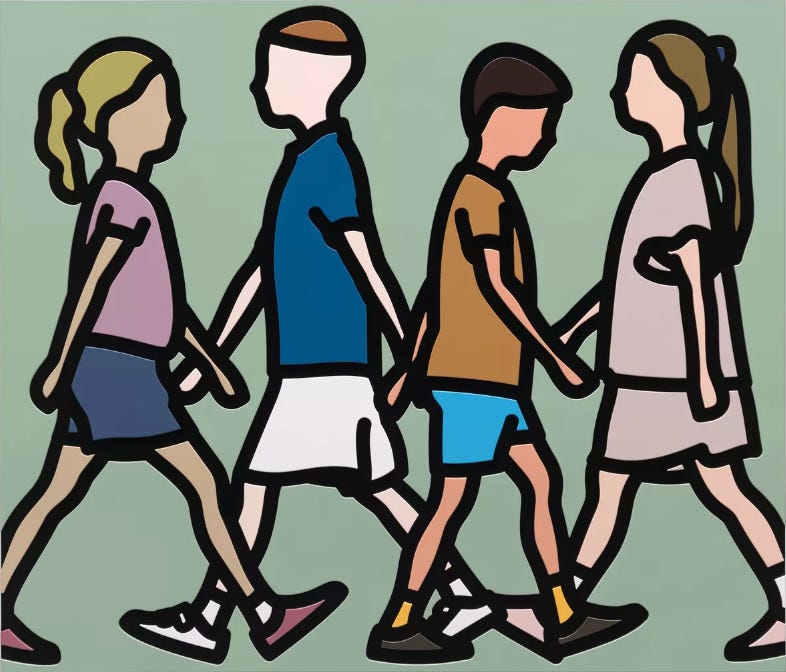
Rooms that sustain group momentum do so silently: legible circulation, flattering light, and scale that lifts the eye instead of compressing it. January is where millions reset in stereo, borrowing belief from the room and each other before it ever becomes individual resolve.
Final Thoughts
January is a crowded promise. The goals may be individual, but the energy is shared. Good rooms don’t shout momentum—they architect it quietly, so belief feels easy to borrow. That’s where reinvention lasts longer than January itself.
💌Elle
P.S. It’s resolution season, which means everyone is becoming the best version of themselves at the same time. Love that for us. What are you resolving to do (or pretending you’ll do for 2 weeks)?
I hope you are recovered! This reminds me i read somewhere about the psychological design intentions of the parking lots at Disneyland. I believe something called “Simplicity Theory” was involved … Not sure what that is but i like the name ….