Design The Rest
A sensory invitation to step out of survival mode.

In just a few days, I’m leaving for a long-awaited European trip. And even though I’ll be hopping between work and play, the thing I find myself craving most is rest. Not just downtime—but real, restorative, intentional rest. The kind that makes you feel like yourself again.
It got me thinking:
What does it mean to design for rest?
Because rest isn’t just about sleep. It’s about creating environments—internal and external—that allow our brains and bodies to reset.
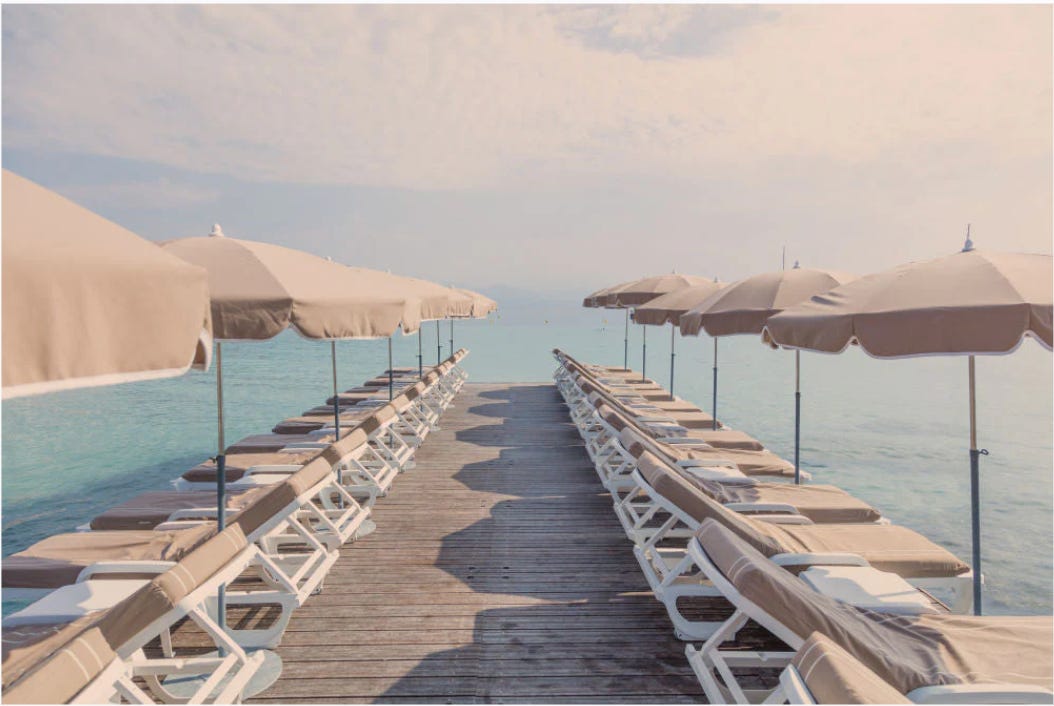
The 7 Types of Rest
According to Dr. Saundra Dalton-Smith, there are seven distinct kinds of rest we all need:
Physical – sleep, stillness, recovery
Mental – brain breaks, quiet focus, fewer tabs open
Emotional – feeling safe to express your truth
Social – spending time with people who recharge you
Sensory – reducing input: light, sound, screen time
Creative – restoring wonder through art, nature, imagination
Spiritual – reconnecting with something greater than yourself
Most of us—especially in overstimulating, aesthetic-heavy environments—are running on empty in at least four.
But here’s the shift: rest can be built into the spaces around us.
Literally. Structurally. Sensory-ly. (I made that word up, but I think it works.)
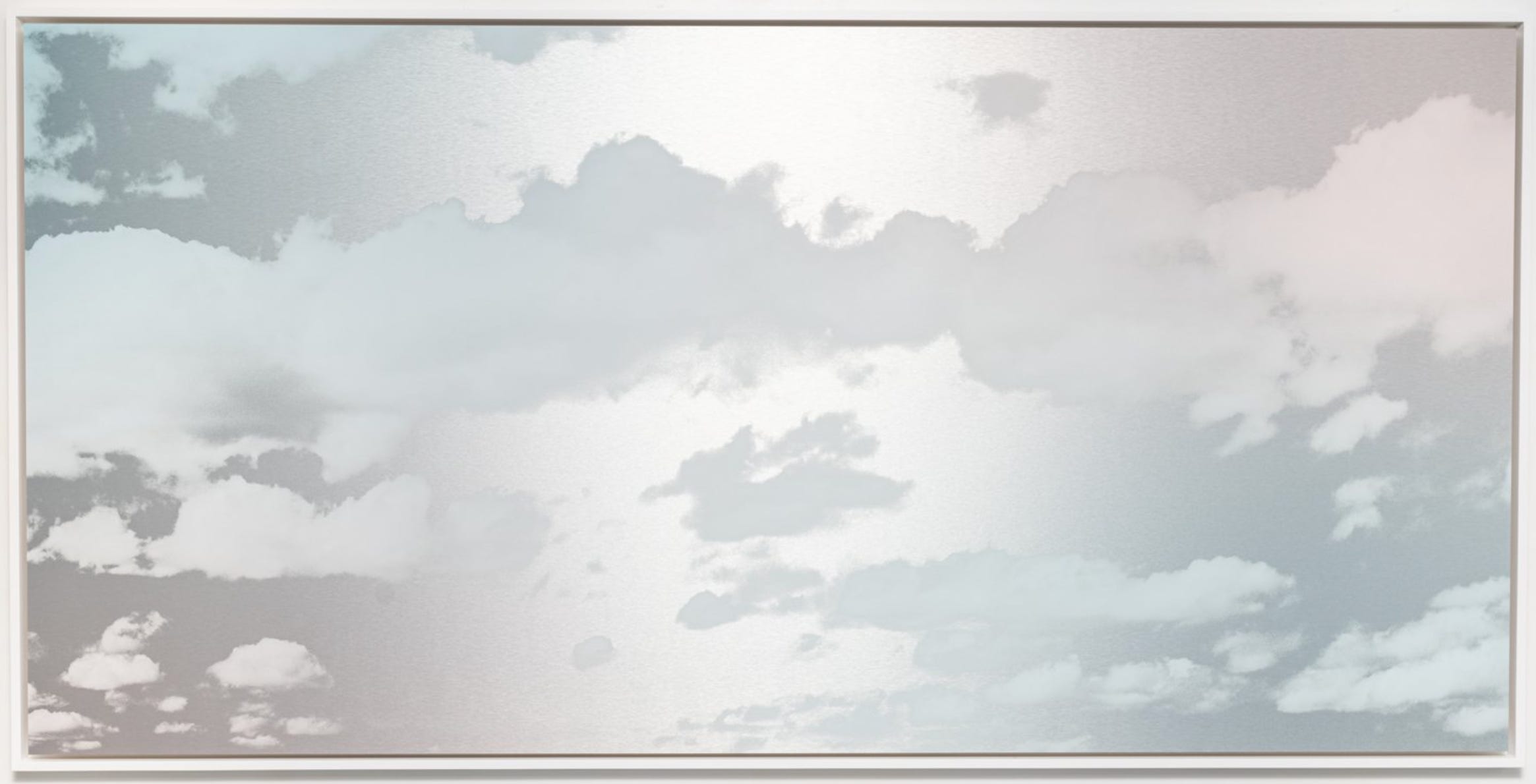
Your nervous system notices everything.
Light that’s too bright. Chairs that don’t support you. Constant noise. Harsh lines. Clutter. Every sensory element in your space either nudges your body into calm—or keeps it slightly braced.
According to environmental psychologist Sally Augustin, PhD, “People can’t relax in a space that bombards them with sensory input—even if it’s beautiful.” What you see, hear, touch, and even smell contributes to your physiological state.
Translation? Design is a wellness tool. And your space can either invite rest or block it.
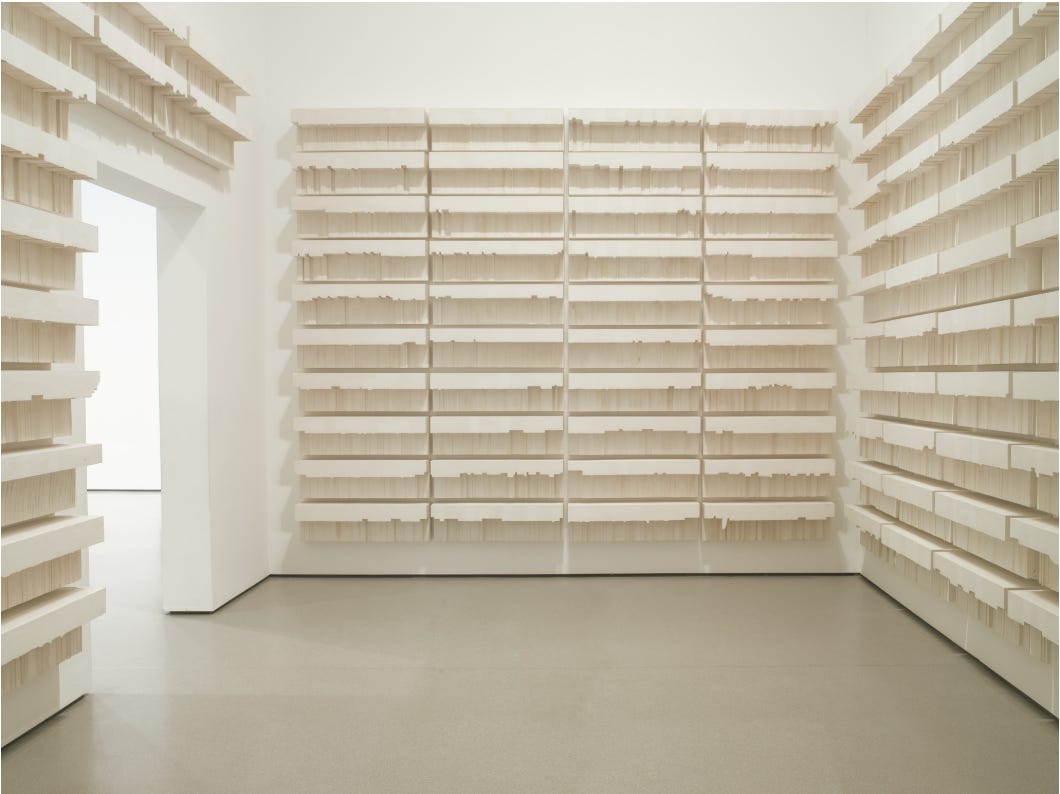
Rest as a design principle.
At RAREculture, we’re leaning into this more and more—curating not just for impact, but for nervous system regulation. Think: acoustics that dampen noise. Materials that soften light. Artwork with color fields that soothe instead of stimulate.
One of our collaborators recently described a painting as “a visual sigh.” That’s the goal.
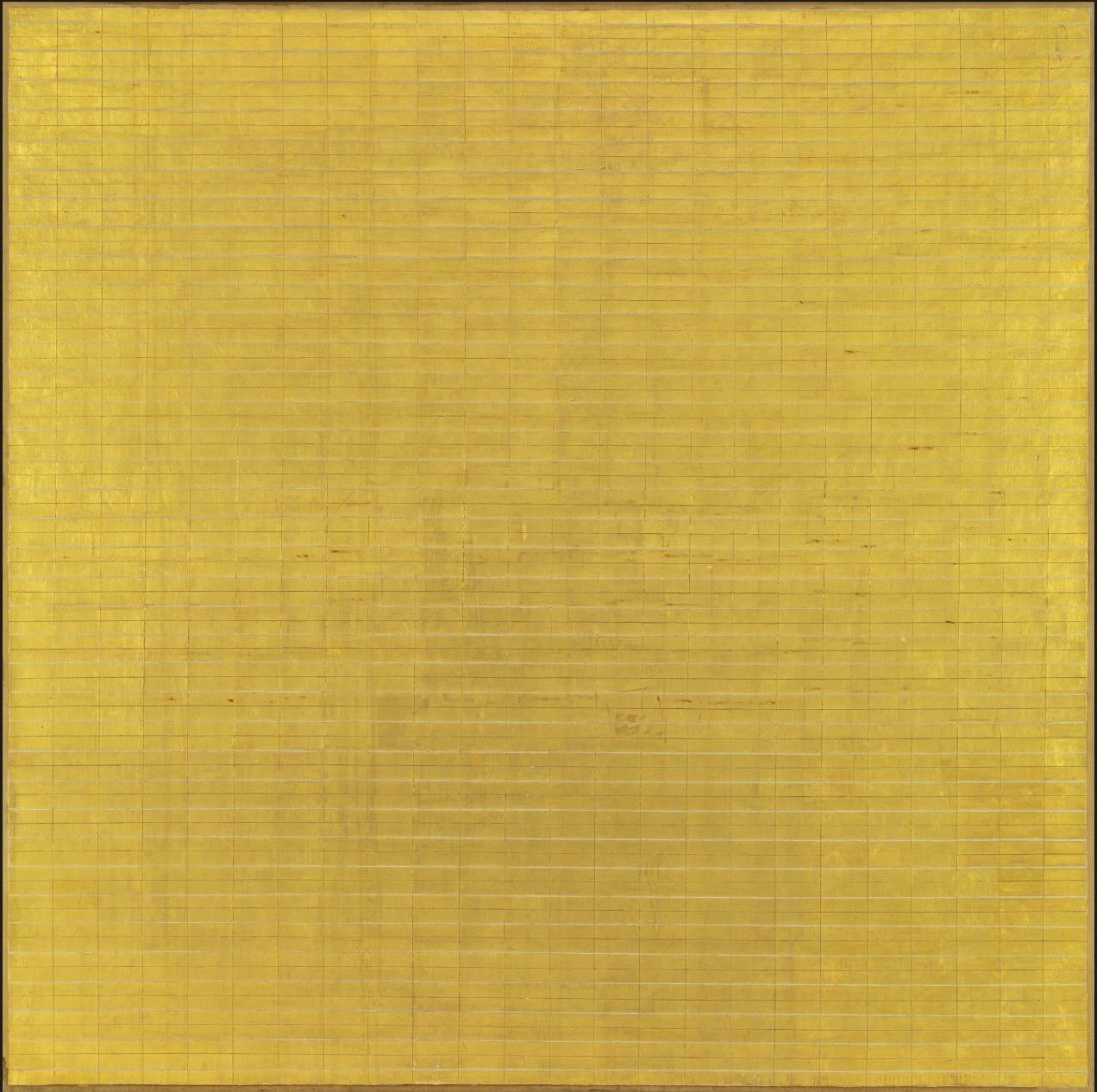
Design Tips for Cognitive Rest
Keep flat surfaces (counters, nightstands) mostly clear—your brain tracks every object.
Choose closed storage for visual peace; keep open shelves minimal and meaningful.
Use dimmable lighting or amber bulbs after sunset to cue melatonin release.
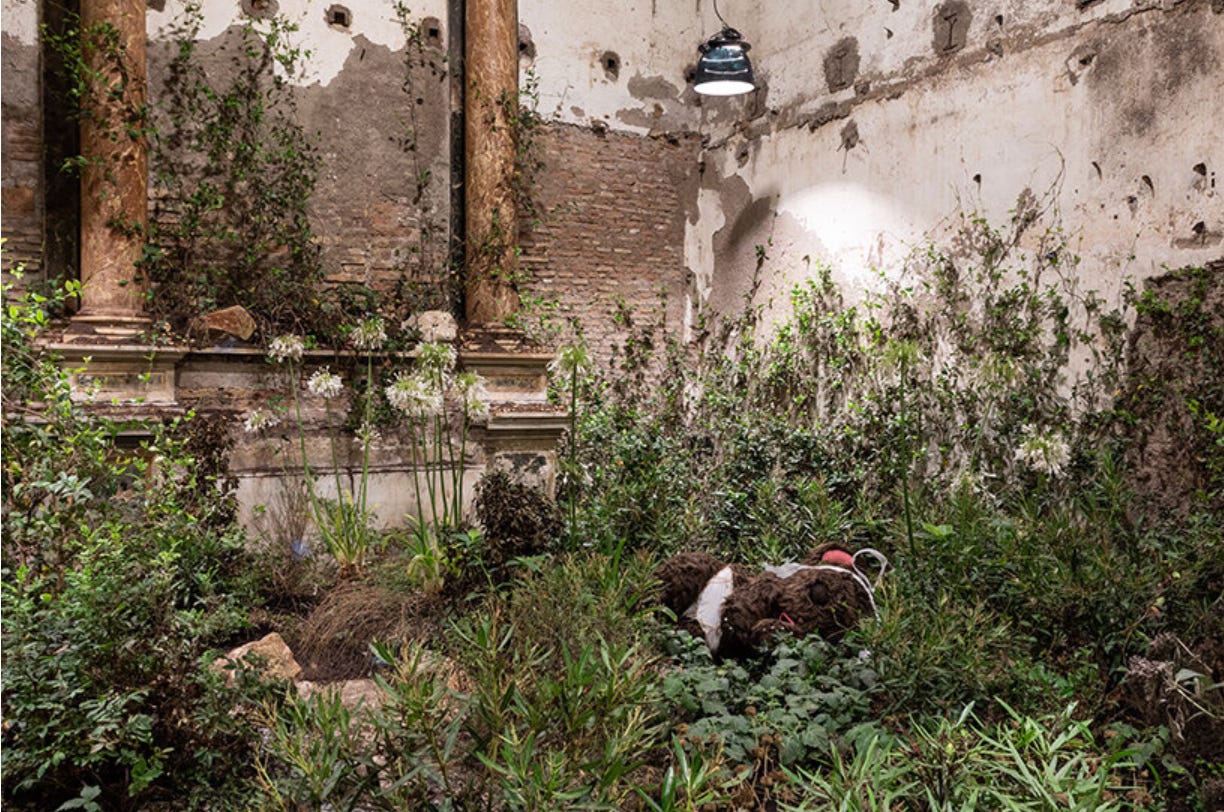
Add a small art piece near your resting area—nothing overstimulating, just something that feels like exhale.
Try sound as scent: incense, chimes, the hum of a white noise machine or this Binaural Beats Relaxation playlist on Spotify.
Final Thought
Rest isn’t passive.
It’s not something you stumble into at the end of the day.
It’s a form of design. A choice. A boundary. A practice.
And when you start designing for it—internally and externally—your whole system gets the message:
You’re allowed to slow down now.
💌 Elle
P.S. Do you have a space in your home that feels like an exhale? Or something you’ve added to support real rest? I’d love to hear. Reply or comment below.