Hidden Joy
The excitement of micro-discovery in design

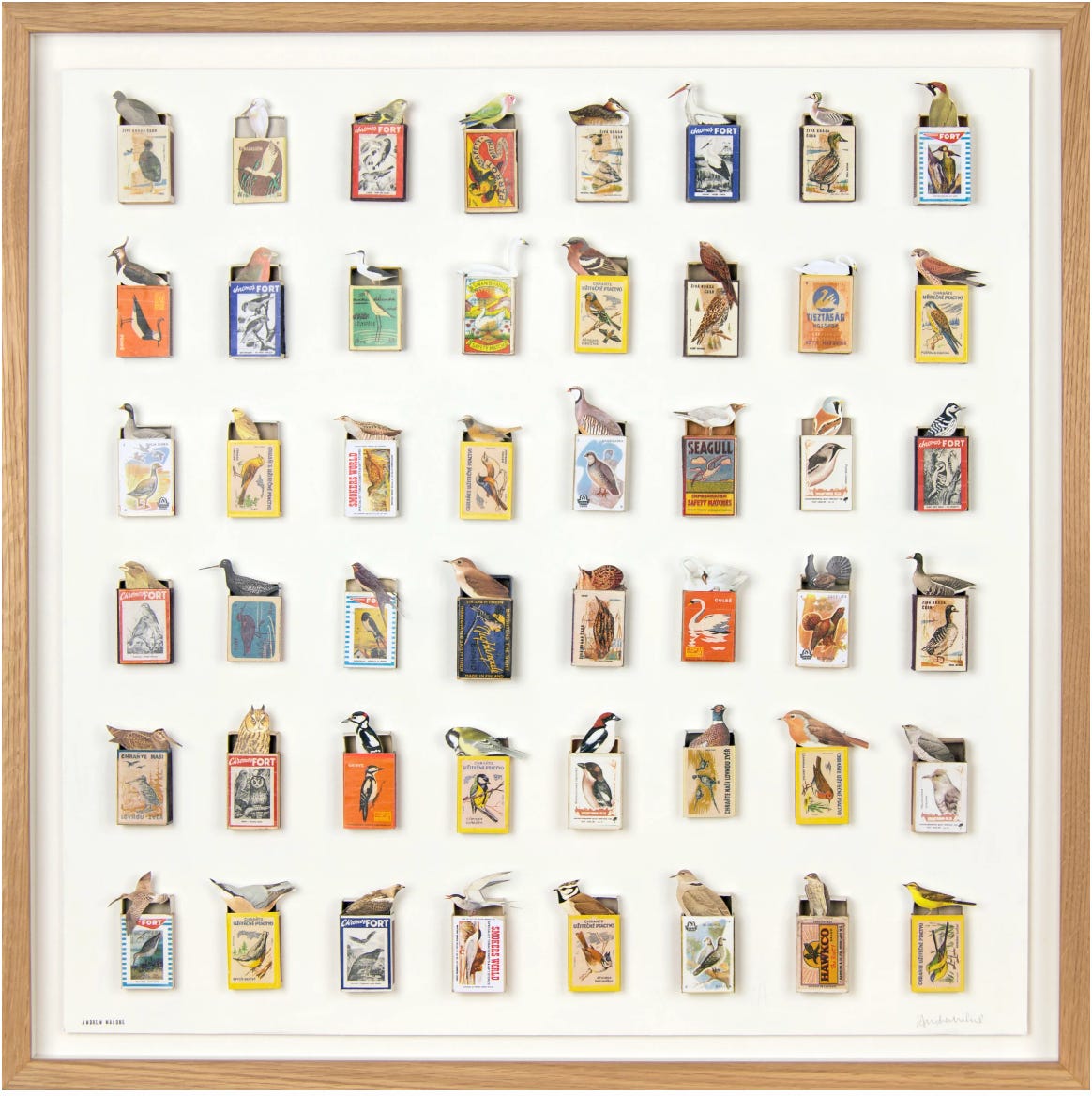
Since moving into our new office, we’ve been slowly going through every one of our storage units — the kind of deep dive you put off for years. It’s been like a treasure hunt: opening box after box, peeling away tissue, and finding artworks we’d completely forgotten about. Each unwrapping brings a rush of delight — a bigger surprise than the last. It’s reminded me just how satisfying it is to uncover something hidden and how powerful those small, unexpected moments can be — not just in our own archives, but in the spaces we design.
The Psychology of the Hidden
Humans are wired to love a reveal. Neuroscientists talk about the “seeking system” — the dopamine-fueled part of the brain that lights up when we explore, investigate, or find something unexpected. A hidden staircase mural. A small message etched into a bar. A detail you only notice after a second look.
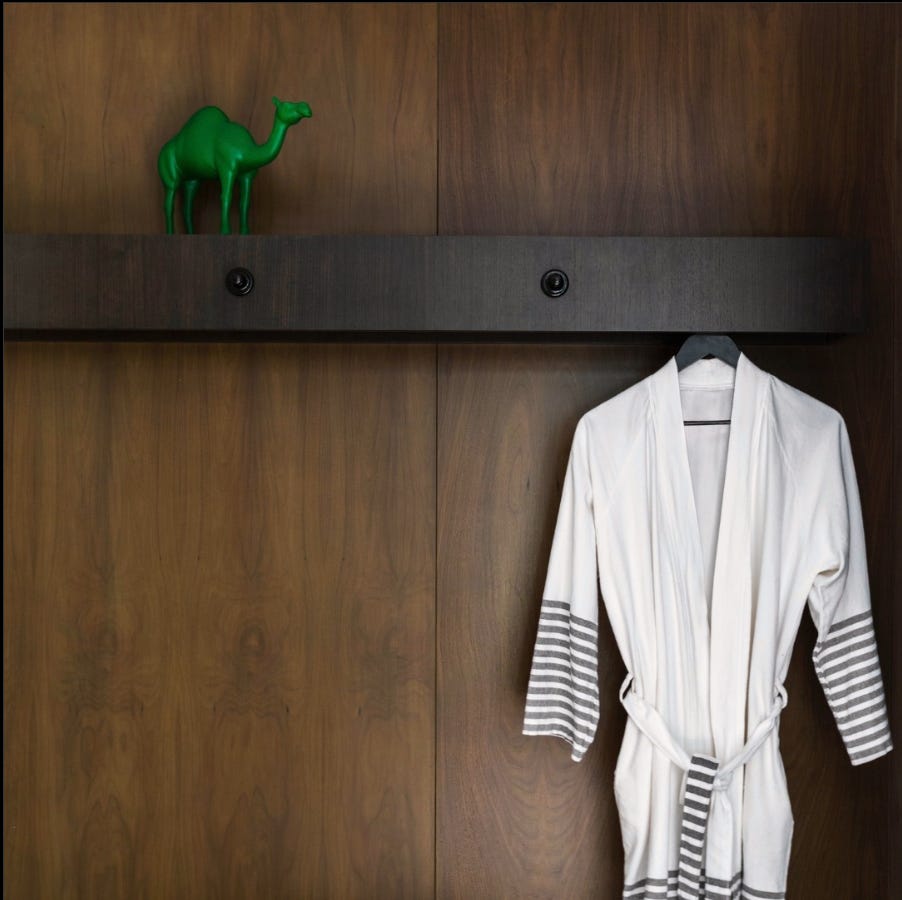
In hospitality, this can become a signature. One of my favorite examples is the Kimpton “smile”—a well-known hospitality design tactic—Kimpton Hotels uses it to turn guest interactions into moments of delight. A tiny, often playful detail tucked into guest rooms. It might be a quirky phrase printed inside a closet, a bright pop of wallpaper behind a bathroom mirror, or a whimsical illustration in a drawer. It’s not there for everyone to see. It’s there for the person who takes a moment to look.
Designing for Discovery
These moments don’t have to be loud or grand. In fact, they’re most powerful when they feel personal, even secret.
Some ways to weave them into a space:
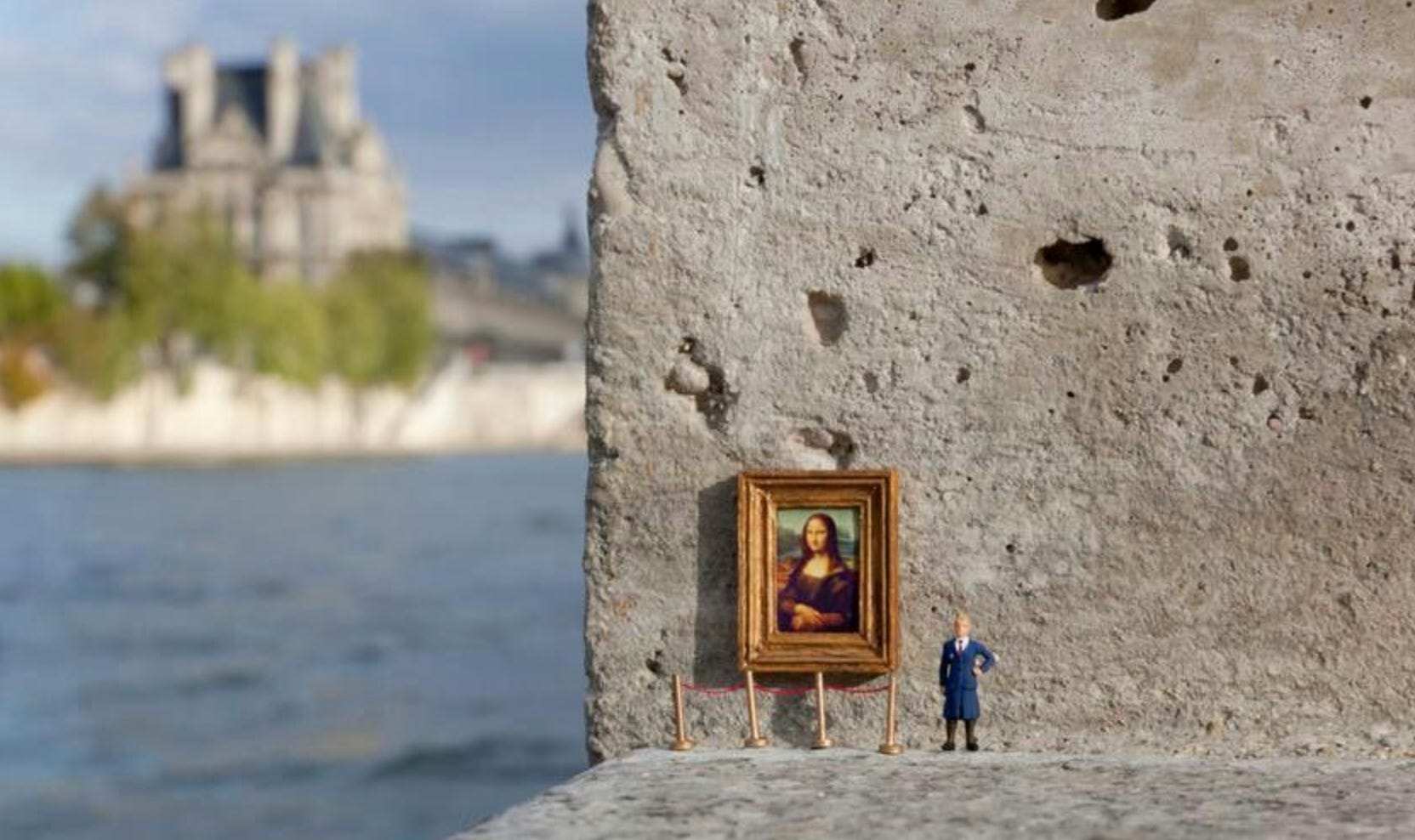
Unexpected art placement — A miniature painting tucked into a bookshelf or a frame hung low enough for children to notice first.
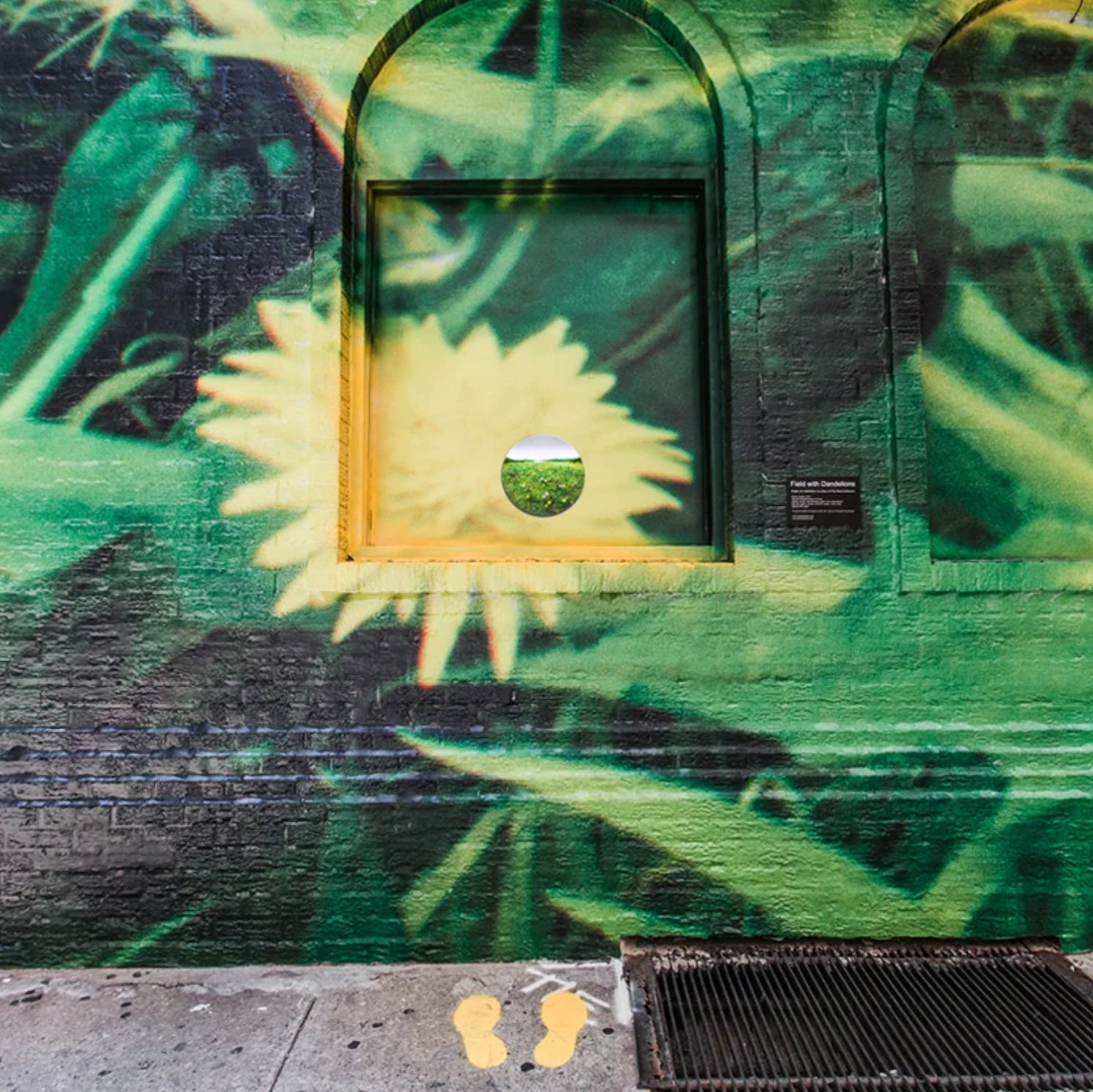
Layered storytelling — An installation that changes meaning depending on where you stand or the time of day.
Hidden humor — A sculptural detail or object that makes you smile once you spot it.
Objects with a second life — A table whose underside is etched with quotes or guest signatures over time.
Why It Matters
When we give people something to discover, we shift them from passive observer to active participant. We invite them into a relationship with the space — one built on curiosity, surprise, and a sense of reward.
It’s true in hotels, but it’s just as true in homes, offices, and public spaces: the smallest moments often leave the biggest impressions.
Final Thought
Designing for hidden joy is about trusting that not every detail needs to be front and center. Sometimes the magic is in what’s tucked away, waiting for someone to find it. Those moments — a smile in a drawer, a piece of art behind a door — become part of the story people tell long after they’ve left.
💌
Elle
P.s. Whats your favorite hidden joy that you’ve found recently? I’d love to hear in the comments!