Hyperfixation Station
On rabbit holes, joy and what happens when we let people teach us what they love

I am always thinking about how to get people together.
Not just for drinks. Not just for dinner. But around something. Knowledge. Self-awareness. Curiosity. I want people to leave my house slightly expanded.
And ideally laughing.
A friend sent me a video of a stranger’s girls’ night where each person had to present a PowerPoint on their current hyperfixation.
This kind of party?
My kind of party.
So I hosted one.
When I tell you I learned so much that night, not just about the topics, but about the way each friend’s brain works, I really mean it.
The way they structure information.
The way they build suspense.
The way they teach.
The way they light up when no one interrupts them.
It was electric.
Some of the hyperfixations:
Hermetics.
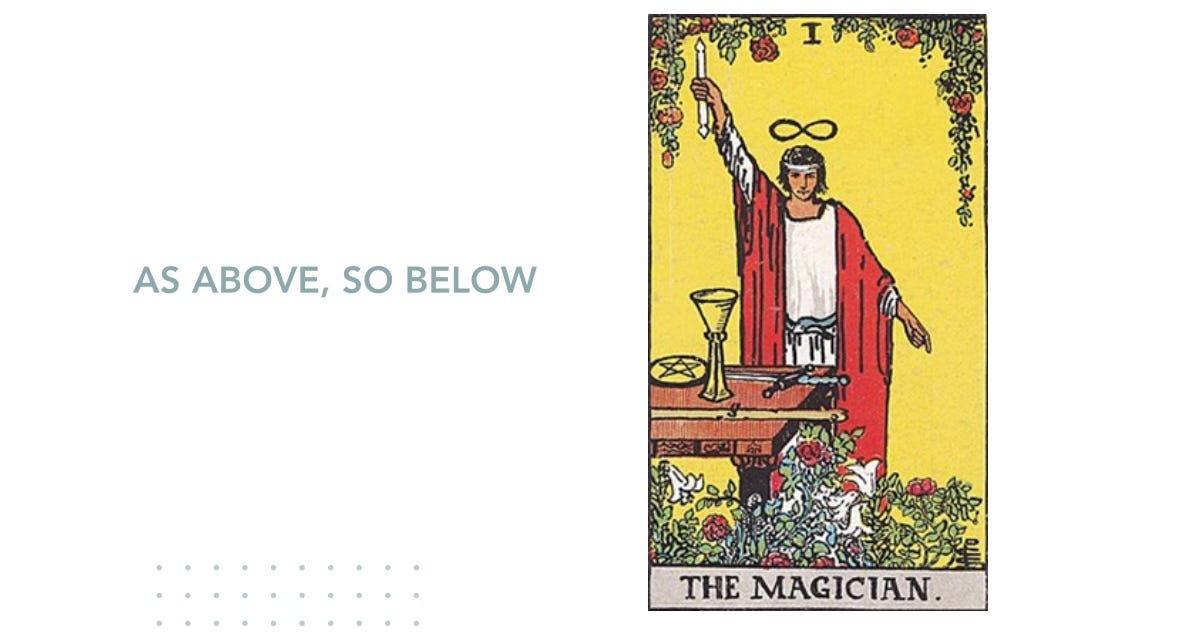
“As above, so below.”
Did you know Sir Isaac Newton was deeply into alchemy? Borderline conspiracy freak? A scientific genius with a mystical side hustle.
Female hormones and the 28-day infradian rhythm.
How our energy, mood, cognition — even our hair texture — shift across the cycle. The science was solid. The confidence? Even stronger.
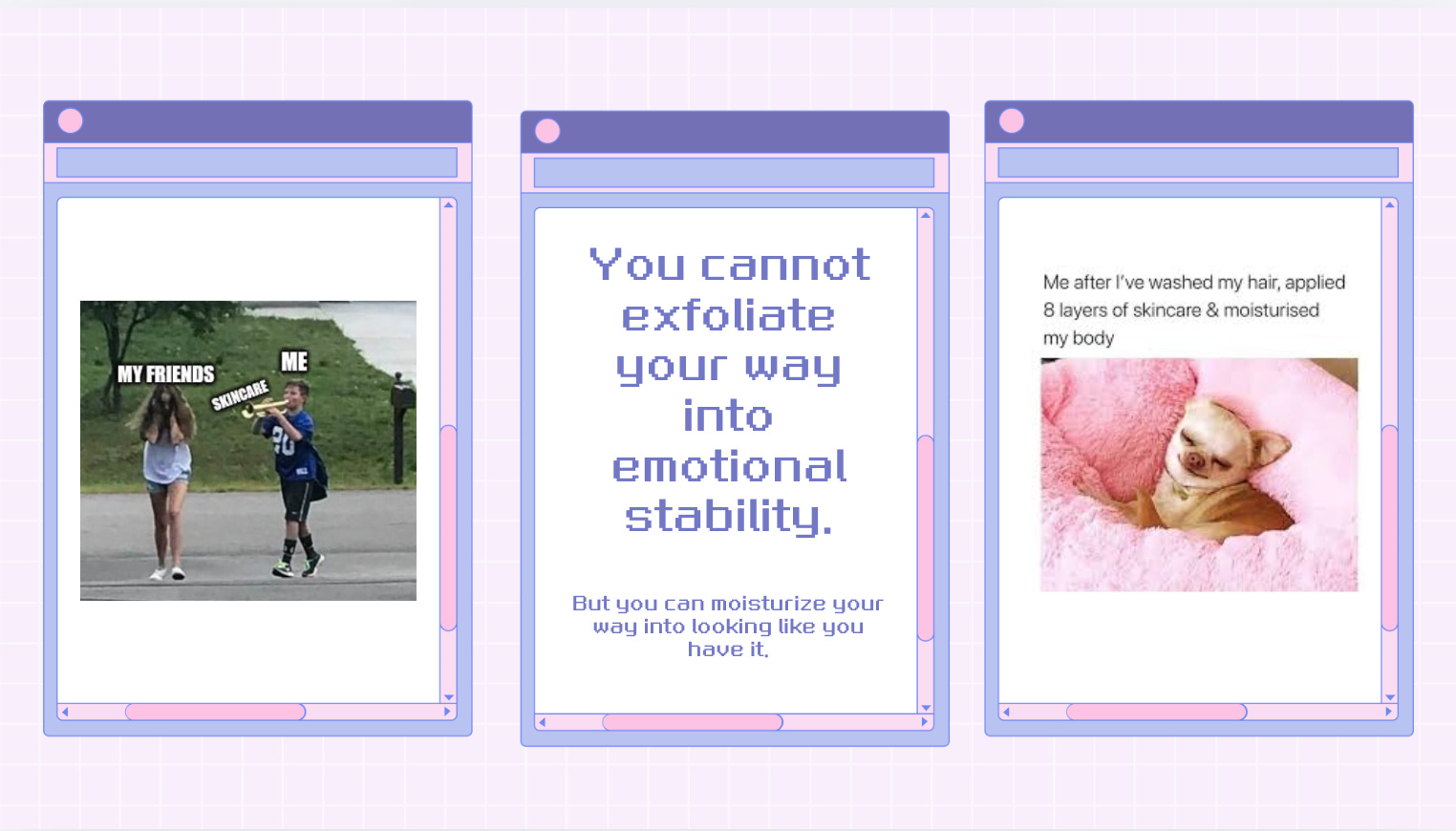
Korean skincare. (Bless Medicube.)
Ten steps. Strategic layering. Glass skin as a philosophy.
Vanity plates.
Did you know 80% of people who own vanity plates believe they are more attractive than the general population? This was delivered with data. And screenshots.
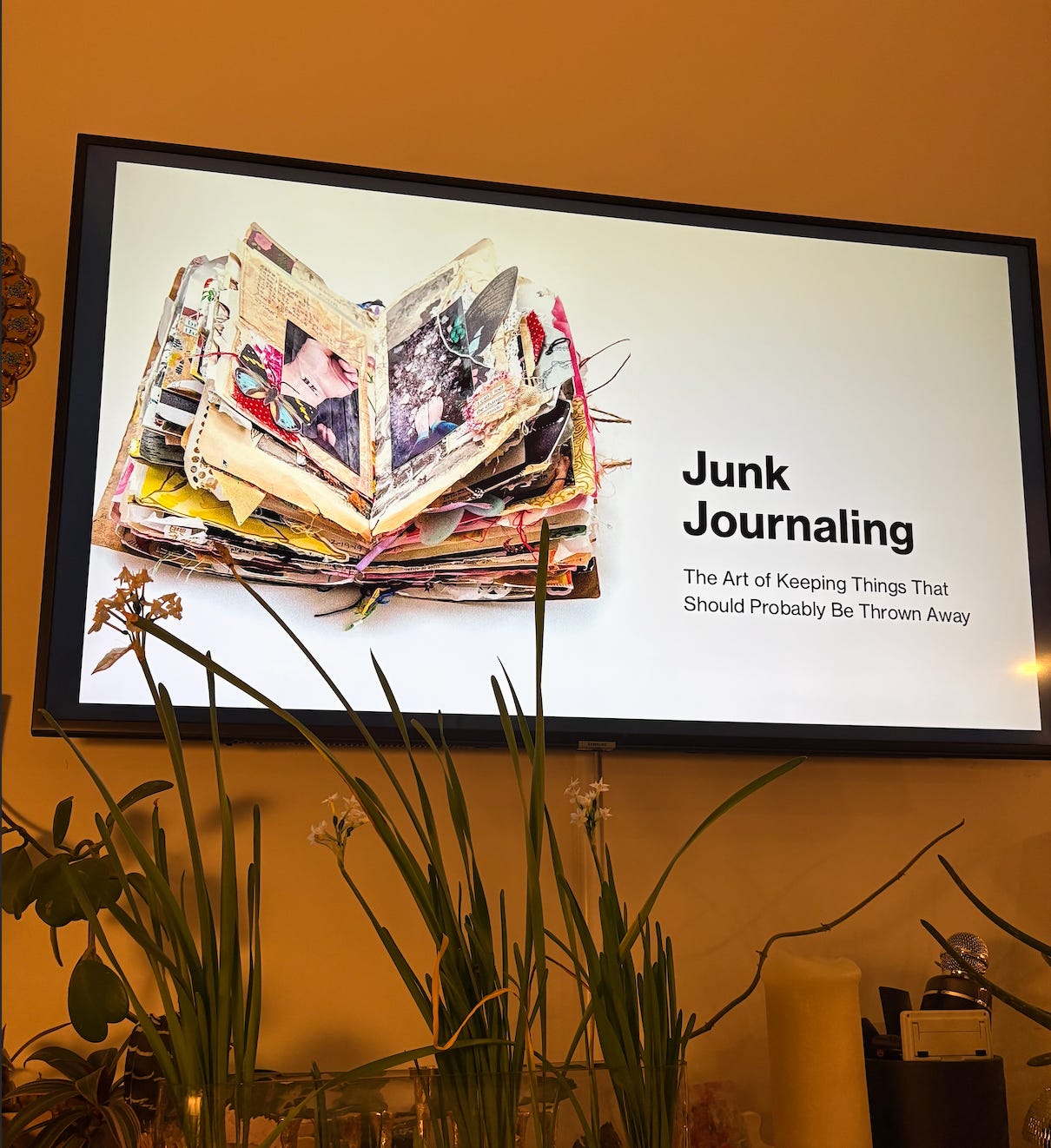
Junk journaling — inspired by my vision boarding party (!!).
Sentimental collage as therapy. Glue sticks as emotional regulation.
The Winter Olympics.
Specifically: Virtue and Moir, the 2018 gold medal ice dancing duo. My friend paused mid-slide and asked the room: were they secretly in love? Married? Just partners? The debate got heated.
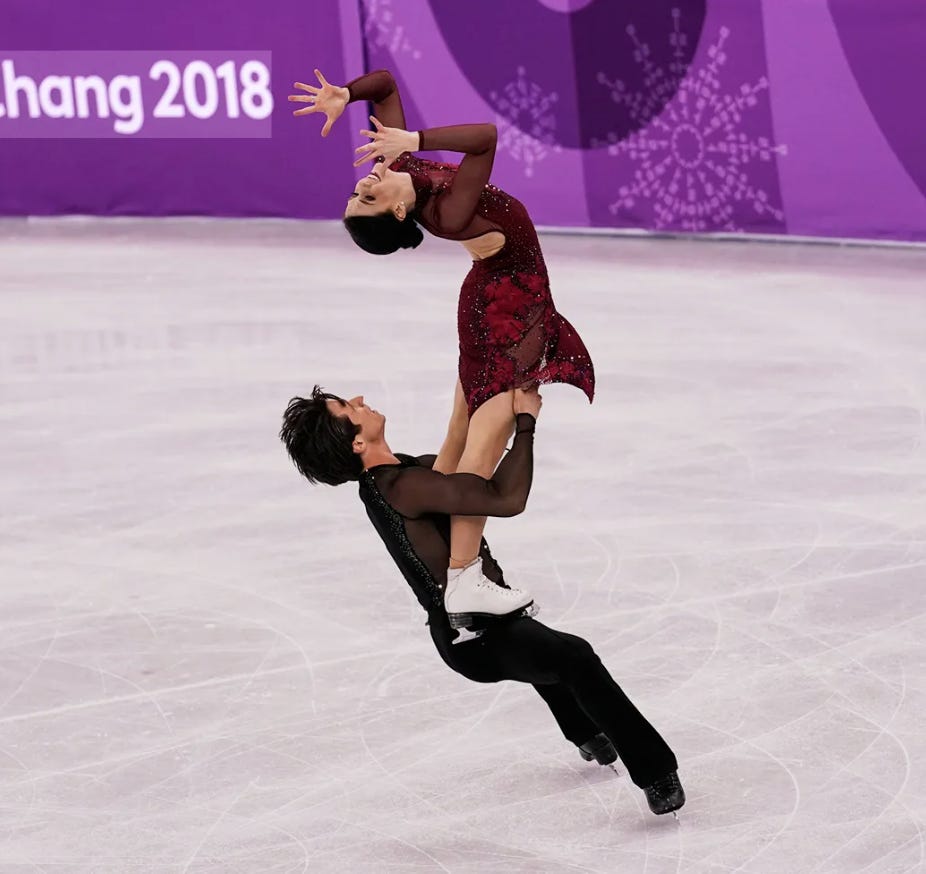
You watch that performance and tell me what you think.
As for me, I went down the energy rabbit hole.
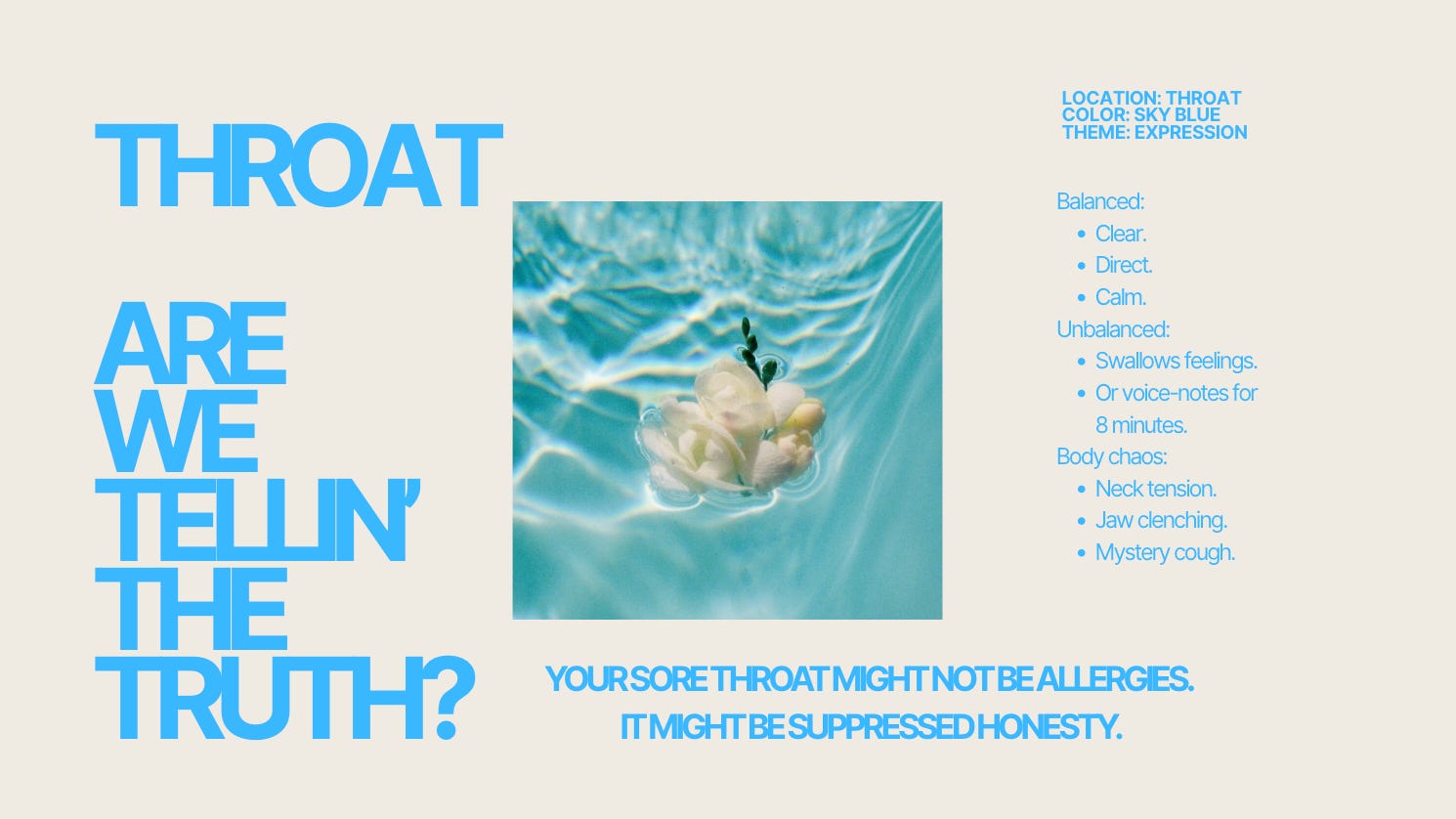
All the Chakras. What does a mystery cough mean spiritually? (Maybe you’re holding something back.) Why does throat tension show up when truth is delayed? Is “vibes” just nervous system shorthand?
It was chaos. In the best way.
And it got me thinking.
Why Do We Hyperfixate?
Psychologically, hyperfixation is often described as intense, prolonged focus on a narrow subject.
In ADHD research, it’s considered a paradoxical trait, difficulty sustaining attention on mundane tasks, but near-obsessive immersion in something stimulating.
But outside pathology?
Hyperfixation is devotion.
It’s curiosity without apology.
Neuroscience tells us that when we’re deeply engaged in something novel and rewarding, dopamine increases. Motivation sharpens. Time collapses. We enter flow.
Hyperfixation isn’t random.
It’s attention meeting aliveness.
It reveals what someone values.
Patterns. Systems. Beauty. Power. Romance. Health. Mystery.
When someone shares their hyperfixation, they are showing you their cognitive fingerprint.
Artists Who Turned Fixation Into Language
History is full of people who didn’t just have hyperfixations , they built entire worlds from them.
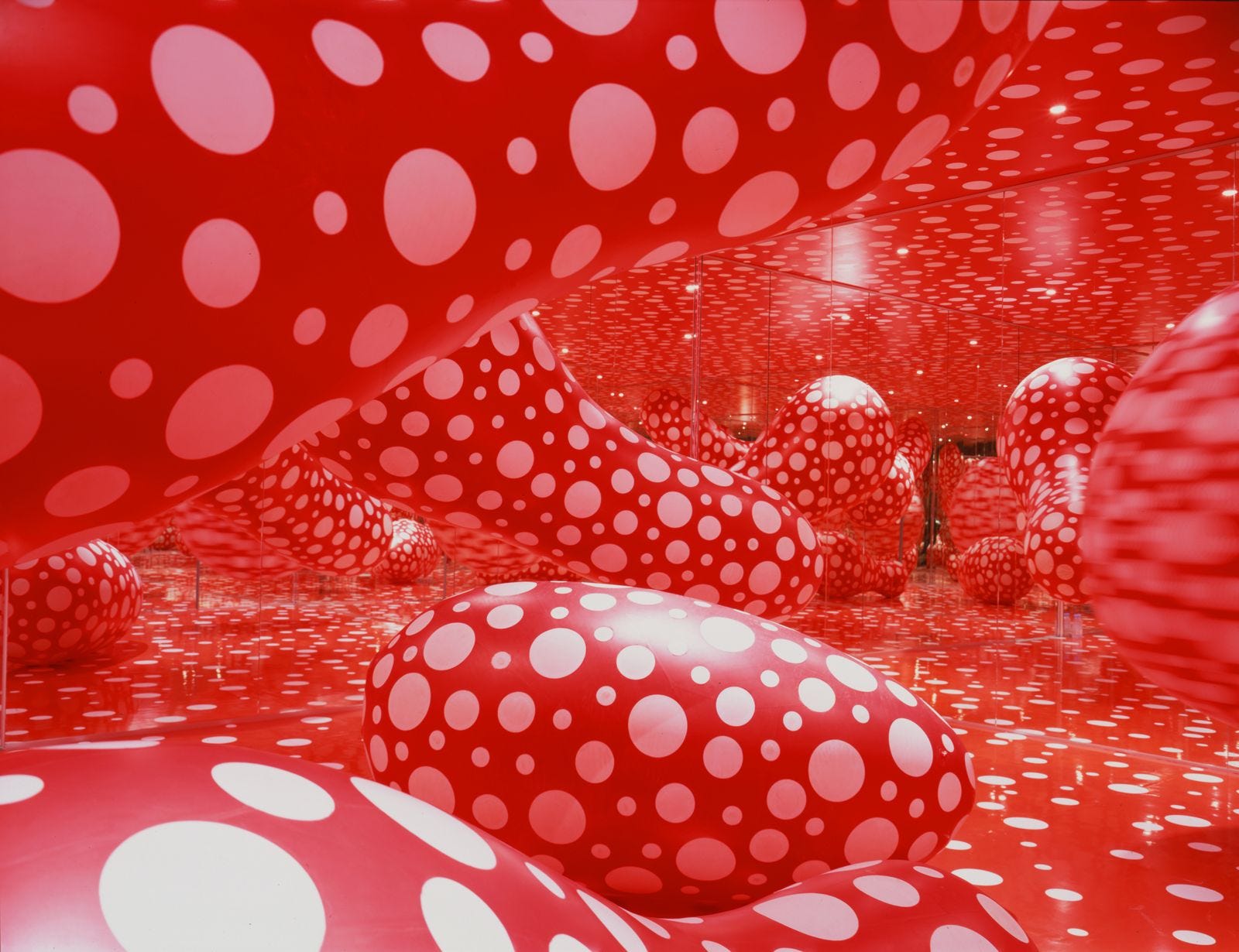
Yayoi Kusama and dots.
Not casually. Not occasionally.
Endlessly. Obsessively. Repeated until the dot stopped being decoration and became cosmology. Infinity as coping mechanism. Pattern as survival.
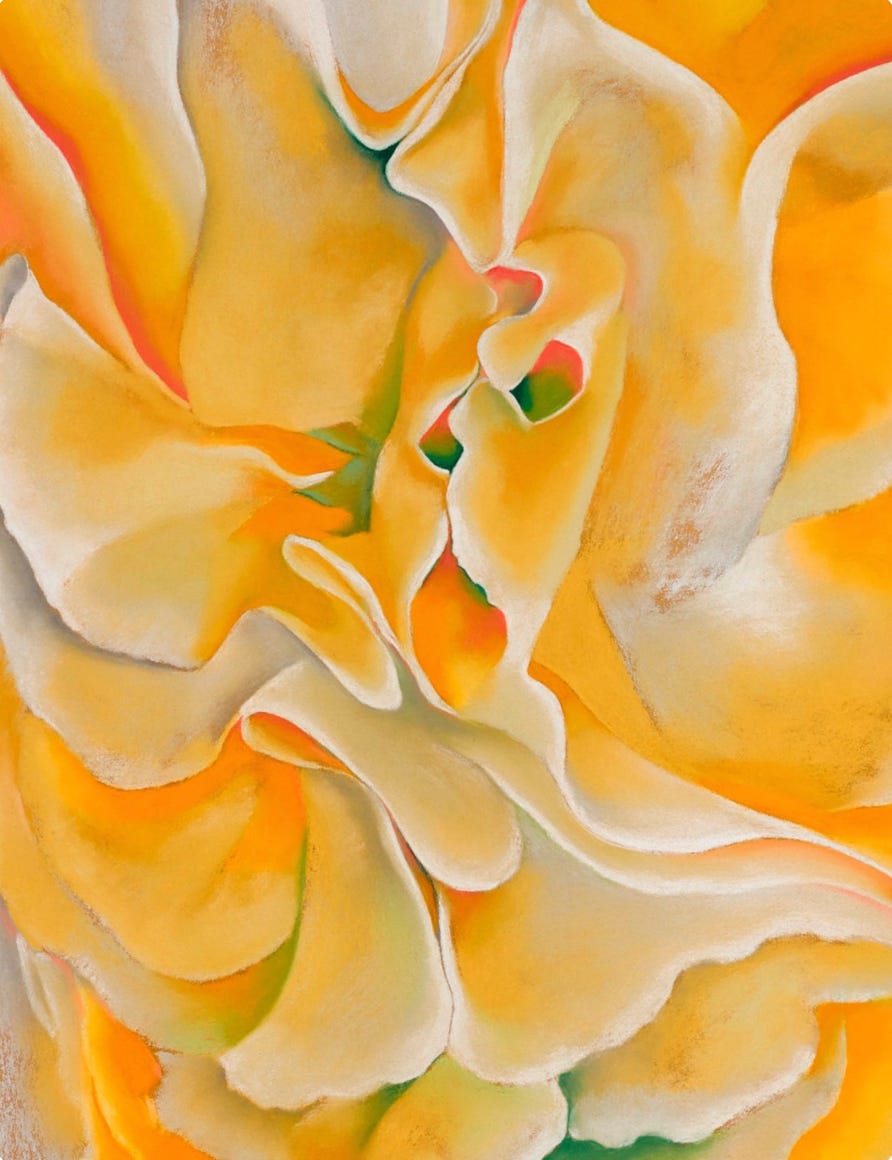
Georgia O’Keeffe and flowers.
But not “pretty flowers.” Scale experiments. Sensual abstraction. A single bloom examined so closely it stopped being botanical and started being architectural.
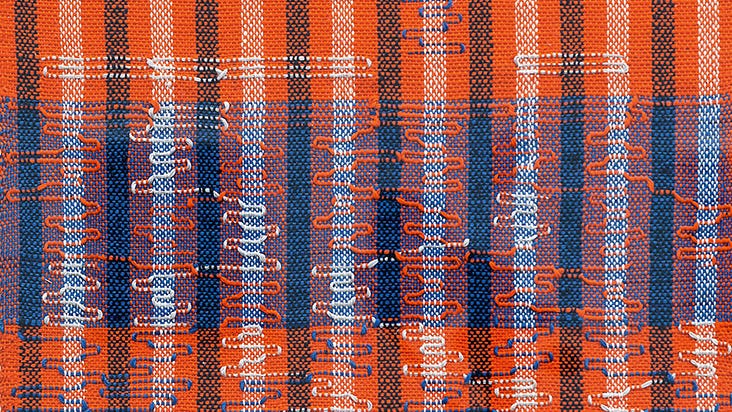
Anni Albers and weaving.
Thread after thread after thread. Structure as meditation. Textile as mathematics. She didn’t just make fabric — she studied the grid until it revealed its philosophy.
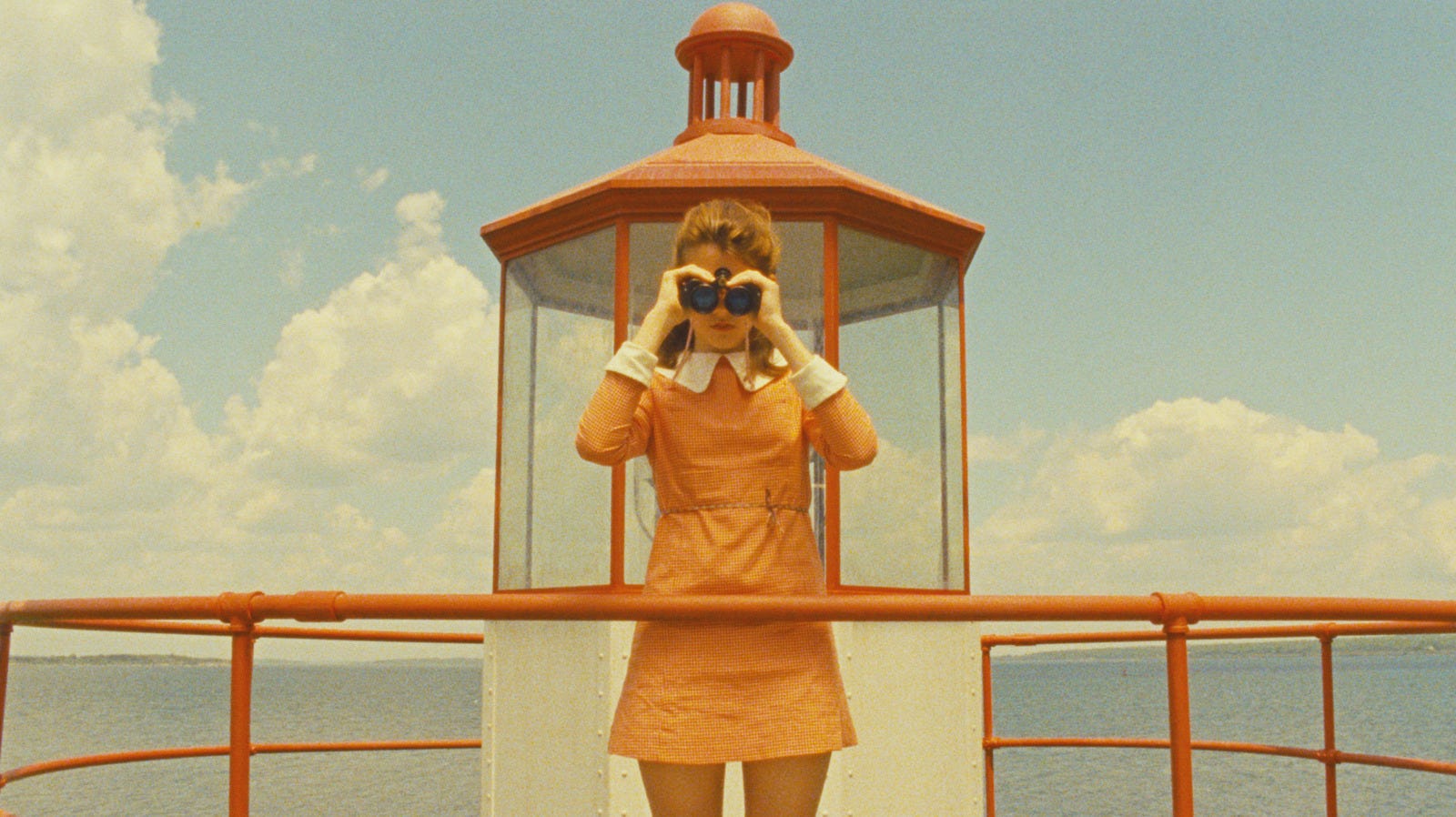
Wes Anderson and symmetry.
Color palettes so specific they border on mania. Framing so deliberate it feels ceremonial. He doesn’t “like” order. He worships it.
Hyperfixation becomes aesthetic when it’s repeated with intention.
It becomes mastery when it’s refined.
It becomes legacy when it’s sustained.
We romanticize genius, but often it’s just someone who refused to let go of what fascinated them.
Final Thought
What struck me most about that night wasn’t the information.
It was the devotion.
The way someone’s entire posture shifts when they get to talk about the thing they can’t stop thinking about. The way the room leans in without irony.
Hyperfixation isn’t random.
It’s a breadcrumb trail.
It tells you what energizes someone. What pattern they see in the world. What detail they can’t ignore.
Maybe instead of asking “why are you so obsessed with that?” we should ask:
What is this obsession trying to build?
Because sometimes the thing that feels niche, weird or overly specific
is the beginning of someone’s life’s work.
💌Elle
P.S. If you had to present a 10-minute PowerPoint on your current hyperfixation… what’s your topic? I’m already planning the next one.