Try a Little Tenderness
Notes from Milan Design Week

RAREculture went to Milan Design Week last week, and while we’re working on our full review of the standout trends and takeaways, I wanted to pause and share one installation that really stayed with me.
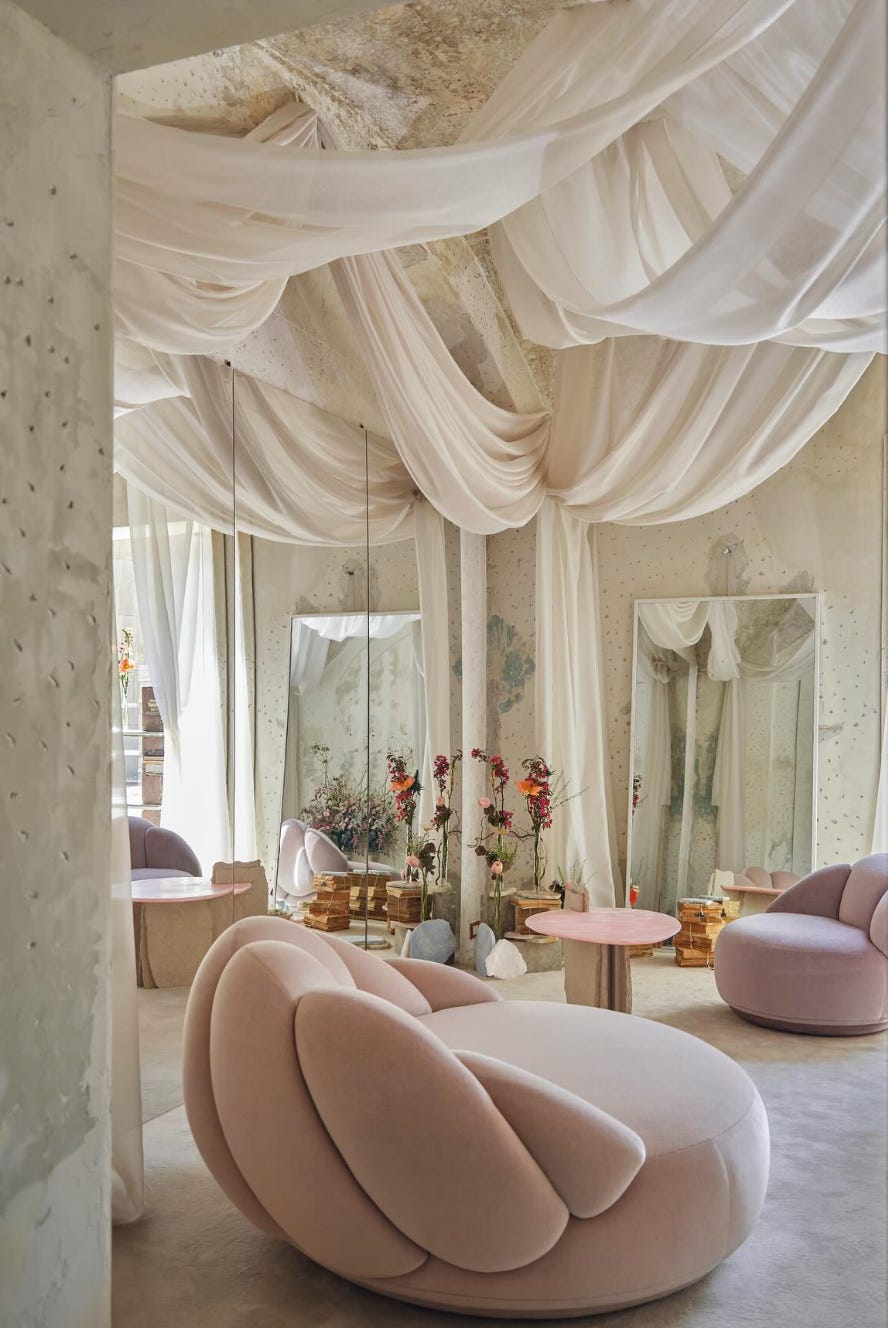
Titled “Strength in Tenderness” at the Rossana Orlandi Gallery, it wasn’t loud or showy.
It didn’t try to make a point. It just was. Gentle. Present. Felt.
Softness can be a design strategy. And a powerful one.
Why softness matters
In the field of neuroaesthetics, researchers have found that elements like curved forms, warm textures, and gentle lighting don’t just look good—they create physiological responses linked to ease, openness, and safety.
Rounded shapes reduce visual stress.
Soft, diffused light helps regulate cortisol.
Tactile materials like wool, clay, and velvet invite touch—and touch, in turn, soothes the nervous system.
Softness isn’t just a mood. It’s a signal.
It tells the body: you’re safe here.
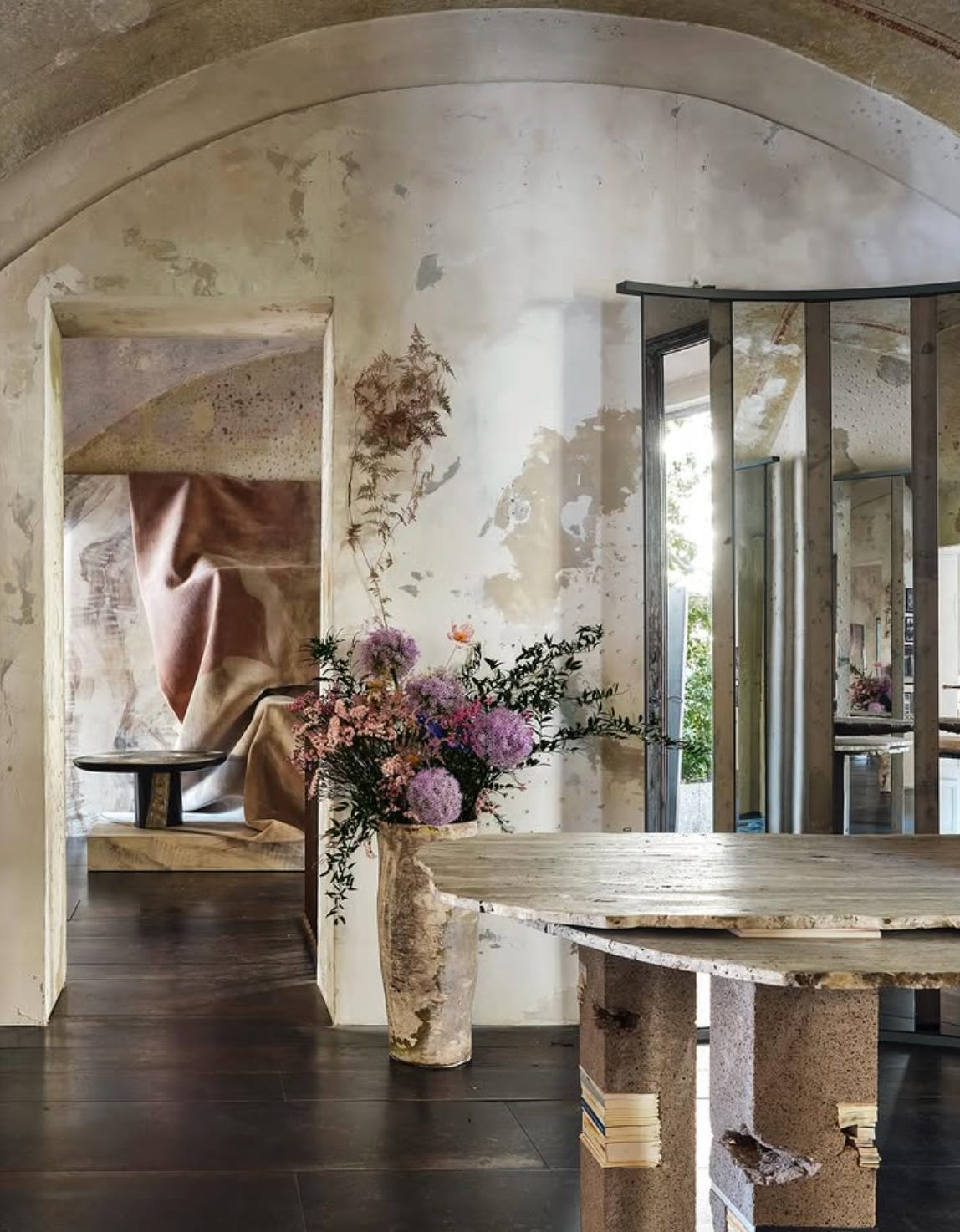
Softness in design might show up as:
Curved lines that naturally guide you through a space without pushing
Sensory materials—like linen, oiled wood, or brushed stone—that make you want to reach out and touch
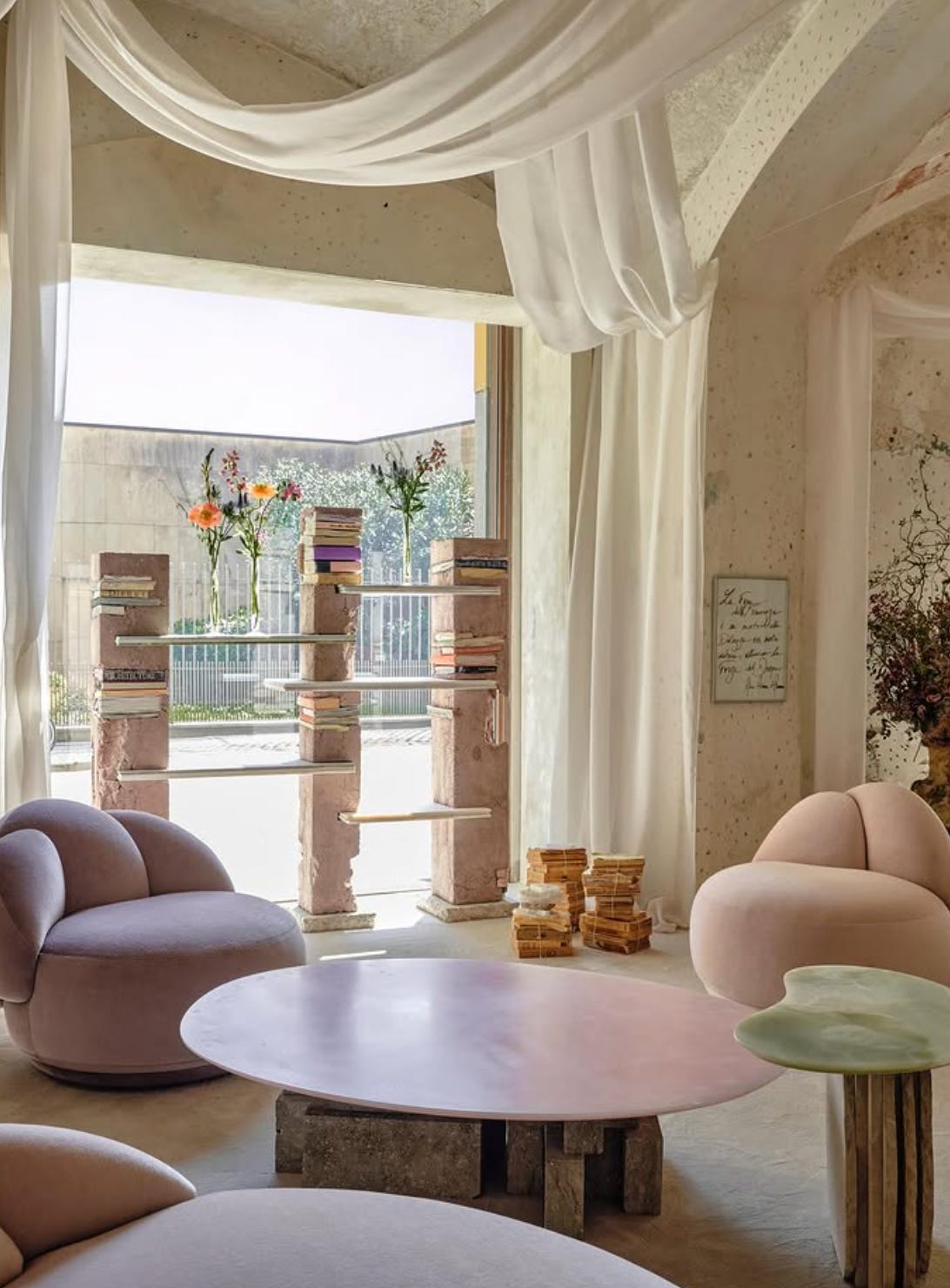
Warm, layered lighting that feels like early evening, not a spotlight
Open layouts that give you a little more room to breathe, think, and just be
Designer and architect Aline Asmar d’Amman speaks to this beautifully:
“Tenderness is the ultimate sophistication. It requires awareness, intention, and the quiet confidence to hold space rather than fill it.”
— Aline Asmar d’Amman
This kind of design doesn’t shout.
It steadies. It senses. It remembers you.
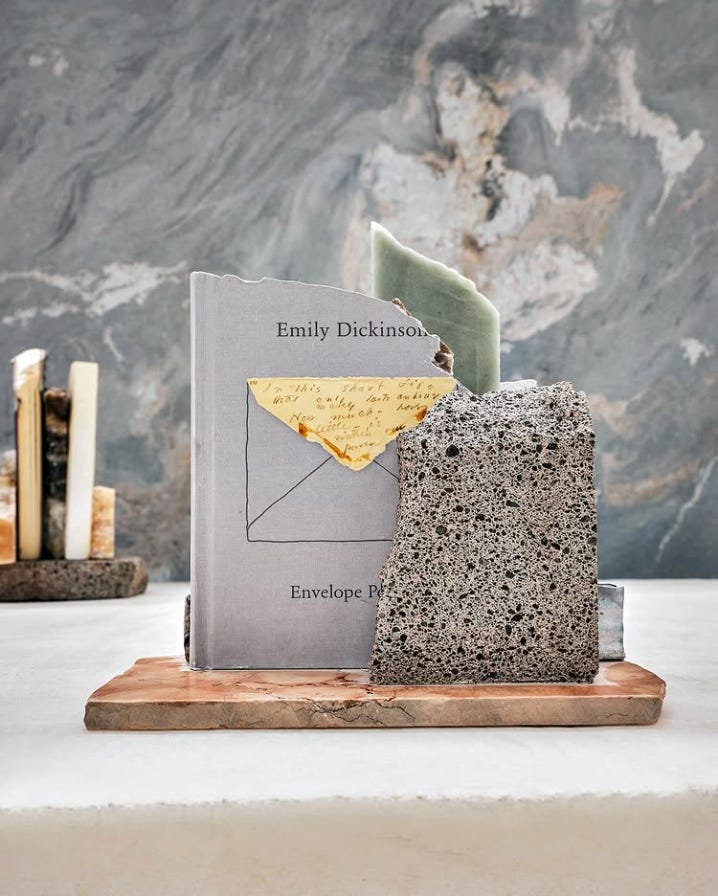
There’s more to say on this—how tenderness shows up through light, color, sound, even silence.
But for now, I’ll leave you with this:
Notice what makes you soften.
Notice what your body says yes to.
Design from there.
💌 Elle
P.S. Want the full RAREculture trend report from Milan Design Week? Message me or drop a comment—we’ll make it happen.
Love this and your beautiful writing!
Stunning